What Counts as “Cheap” Health Insurance?
Cheap health insurance usually means a low monthly premium, but that’s only part of the story.
A plan is truly affordable when it balances:
- Monthly premium
- Deductible (what you pay before coverage starts)
- Out-of-pocket maximum
- Coverage quality
For example, a $20/month plan with a $9,000 deductible may cost more overall than a $90/month plan with lower out-of-pocket expenses.
Cheapest Health Insurance Options in the U.S.
1. Medicaid (Free or Nearly Free Coverage)
Medicaid is the most affordable option for eligible individuals.
Who it’s for:
- Low-income individuals and families
- Pregnant women, seniors, and people with disabilities
Typical cost:
- $0–$50 per month
What it covers:
- Doctor visits
- Hospital stays
- Prescription drugs
- Preventive care
Managed at the federal level by Centers for Medicare & Medicaid Services, but eligibility varies by state.
Key advantage: Minimal or no cost with comprehensive coverage
Limitation: Not all providers accept Medicaid in every region
2. ACA Marketplace Plans (Subsidized Insurance)
Plans available through HealthCare.gov under the Affordable Care Act are among the most popular affordable options.
Who it’s for:
- Individuals without employer coverage
- Self-employed workers
- Families with moderate income
Typical cost (after subsidies):
- $0–$100/month
Plan tiers:
- Bronze (lowest premium, highest deductible)
- Silver (balanced)
- Gold (higher premium, lower out-of-pocket)
Why it’s cheap:
Premium tax credits significantly reduce monthly costs based on your income.
Important: These plans cover pre-existing conditions and essential health benefits.
3. Employer-Sponsored Health Insurance
Offered by companies to employees, often at reduced cost.
Typical employee share:
- $100–$300/month
Why it’s affordable:
Employers cover a large portion of the premium.
Best for:
- Full-time employees
- Families needing comprehensive coverage
Downside:
Not available if you’re unemployed or self-employed.
4. Short-Term Health Insurance
Temporary plans offered by providers like Aetna.
Typical cost:
- $50–$150/month
Best for:
- People between jobs
- Waiting for open enrollment
Pros:
- Very low premiums
- Fast approval
Cons:
- Limited benefits
- No coverage for pre-existing conditions
- Not ACA-compliant
5. Catastrophic Health Plans
Designed for emergencies and worst-case scenarios.
Who qualifies:
- Under age 30
- Hardship exemptions
Typical cost:
- Lower premiums, very high deductibles
Best use case:
Young, healthy individuals who rarely need medical care.
Cost Comparison Table
| Plan Type | Monthly Cost | Deductible Level | Best For |
|---|---|---|---|
| Medicaid | $0–$50 | Very Low | Low-income individuals |
| ACA Bronze Plan | $0–$100 | High | Budget-focused users |
| Employer Plan | $100–$300 | Moderate | Employees & families |
| Short-Term Insurance | $50–$150 | High | Temporary coverage |
| Catastrophic Plan | $80–$200 | Very High | Young, healthy individuals |
How to Choose the Cheapest Plan for You
Step 1: Check Income Eligibility
- Low income → Medicaid
- Moderate income → ACA subsidies
Step 2: Evaluate Health Needs
- Frequent doctor visits → choose lower deductible
- Rare usage → high-deductible plans may work
Step 3: Compare Total Annual Cost
Look beyond the premium:
- Deductible
- Copayments
- Prescription coverage
Step 4: Review Provider Network
Make sure your preferred doctors and hospitals are included.
How to Get Cheap Health Insurance (Step-by-Step)
- Visit HealthCare.gov
- Enter your income and household details
- Check eligibility for subsidies or Medicaid
- Compare plans by premium and deductible
- Enroll during Open Enrollment or Special Enrollment
Real-Life Example
Scenario:
A 28-year-old freelancer earning $28,000/year
Best option:
- ACA Bronze plan with subsidies
- Estimated premium: $20–$60/month
Alternative:
- Medicaid if income falls below threshold
State-Level Cost Differences
Health insurance costs vary across the U.S.:
- Texas & Florida: Lower premiums, fewer Medicaid expansions
- California & New York: Higher premiums but better subsidies
- Rural areas: Limited provider networks
Search trends often include:
- “Cheap health insurance in Texas”
- “Affordable plans in California”
Your state determines:
- Eligibility rules
- Plan availability
- Provider networks
Common Mistakes to Avoid
- Choosing the lowest premium without checking deductible
- Ignoring provider network restrictions
- Skipping subsidy eligibility checks
- Assuming all plans cover the same services
⚠️ Cheap plans can become expensive if you need frequent care.
How to Lower Your Health Insurance Costs
- Apply for subsidies every year
- Choose higher deductible if healthy
- Stay in-network for all services
- Use preventive care (often free under ACA plans)
- Compare multiple providers like UnitedHealthcare or Blue Cross Blue Shield
Alternatives to Traditional Insurance
Health Sharing Plans
Lower monthly cost but not regulated like insurance.
Community Health Clinics
Offer low-cost or free services based on income.
Telehealth Services
Affordable online consultations for minor issues.
Frequently Asked Questions
What is the cheapest health insurance in the U.S.?
Medicaid is typically the cheapest, often free. Subsidized ACA plans are the next most affordable option.
Can I get health insurance for under $50 a month?
Yes, many ACA plans cost under $50/month after subsidies, depending on income.
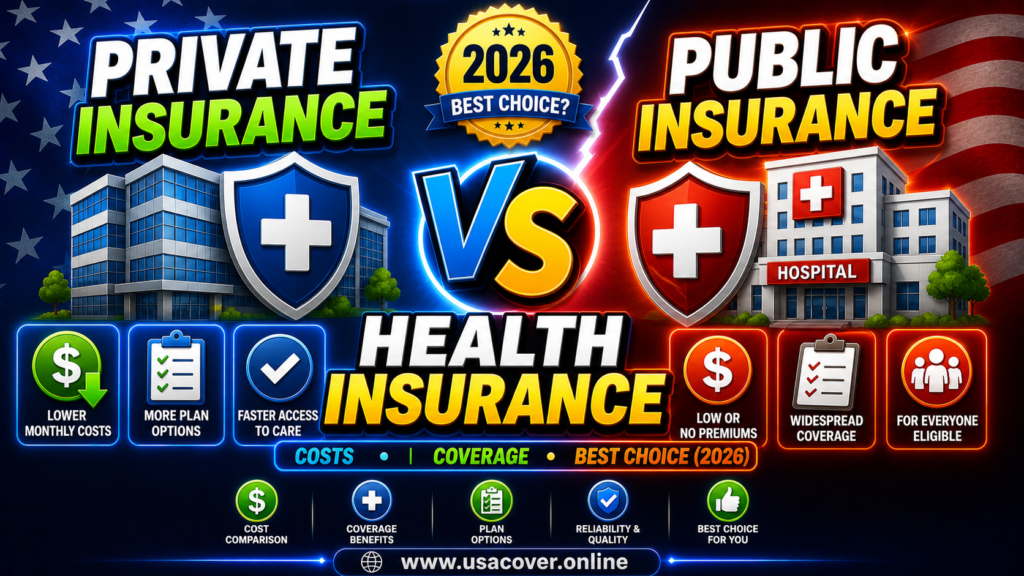
Is Medicaid better than private insurance?
It’s cheaper and comprehensive but may have limited provider options compared to private plans.
Are short-term plans safe?
They are legal but offer limited protection and may exclude important benefits.
What income qualifies for free health insurance?
Income below Medicaid thresholds (varies by state) qualifies for free or low-cost coverage.
Can self-employed people get cheap insurance?
Yes, ACA marketplace plans with subsidies are designed for self-employed individuals.
When can I enroll in health insurance?
During Open Enrollment or after qualifying life events (job loss, marriage, etc.).
Conclusion
The cheapest health insurance in America depends on your income, employment status, and health needs. For most people, the best starting point is Medicaid or subsidized ACA marketplace plans.
Focus on total cost, not just monthly premiums, and always check your eligibility for financial assistance. With the right approach, you can secure reliable coverage without overpaying.